How a Body Image Counselor in Raleigh, NC Can Help You Feel More at Home in Your Body

Many people spend their lives at war with their bodies. Whether you're struggling with negative self-talk, comparing yourself to unrealistic standards, or feeling disconnected from your physical self, these experiences are more common than you might think. The good news? Working with a body image counselor can help you develop a healthier, more compassionate relationship with yourself.
Understanding Body Image Struggles
Body image isn't just about how you look—it's about how you feel about how you look, and more importantly, how those feelings affect your daily life. When body image concerns go unchecked, they can influence everything from your social interactions and career choices to your mental health and overall wellbeing.
Common struggles include:
Constant critical self-talk and perfectionism
Anxiety about eating or exercise habits
Skipping social situations or physical activities
Feeling disconnected or uncomfortable in your own skin
Pressure to meet unrealistic beauty or fitness standards
Body checking in reflective surfaces or pinching your skin
Feeling your mood shift based on what you think you can wear that day
Weighing yourself and basing your self-worth on the number on the scale
What Does a Body Image Counselor Do?
A body image counselor specializes in helping you explore where your body dissatisfaction comes from and develop a more balanced, accepting perspective. Rather than focusing on diet plans or workout routines, a qualified body image counselor in Raleigh, NC works with you to address the psychological and emotional factors that affect how you relate to your body.
There are a number of ways your counselor can help you find strategies that actually work to address negative body image. It’s not all about just thinking happier thoughts (which doesn’t actually work for most people). Here are specific ways a body image counselor may help you:
Identify Underlying Beliefs. Many body image concerns stem from deep-seated beliefs about worth, acceptance, and identity. A counselor helps you uncover these patterns and understand where they come from—whether that's family messages, media exposure, past experiences, or social pressure.
Challenge Negative Thought Patterns. Body image counseling teaches you to recognize and interrupt the automatic negative thoughts that fuel dissatisfaction. Instead of accepting critical self-talk as truth, you'll learn to question it and develop more balanced perspectives.
Build Self-Compassion. Rather than achieving the "perfect" body, body image counseling focuses on developing genuine kindness toward yourself. This shift from criticism to compassion is transformative and sustainable.
Separate Identity from Appearance. A key part of feeling at home in your body is understanding that your worth isn't determined by how you look. Your counselor helps you develop a stronger sense of self that isn't dependent on external validation or physical appearance. There are many aspects of identity, and finding out those pieces of self can lead to much more life fulfillment than if you just focus on looks.
Address Underlying Mental Health Issues. Sometimes body image concerns are connected to anxiety, depression, or trauma. A skilled body image counselor recognizes these connections and helps you address them holistically.
Teach Body Neutrality. Body acceptance doesn’t mean you feel positive about your body all the time. In fact, when you try to tell yourself “I love my body!” when you’re feeling bad about it, those words fall flat and can make you feel worse. On the other hand, when we can be more neutral about our bodies, focusing on function over looks, it’s a lot easier to find body acceptance that sticks. A good body image counselor will be skilled in teaching you how to do this for yourself.

How a Body Image Counselor Actually Works
Understanding what a body image counselor does is one thing—knowing how they do it is equally important. Here's what the therapeutic process typically looks like:
Assessment and Understanding Your Story
Your first sessions involve the counselor getting to know you—not just your body image struggles, but your complete history and context. They'll ask about when these concerns started, what triggers negative thoughts, how body image affects your daily life, and what you've already tried. This creates a comprehensive picture and helps the counselor identify underlying patterns. They might explore family dynamics, cultural messages you've internalized, past experiences with appearance-based criticism, or media consumption habits that fuel dissatisfaction.
Cognitive and Thought Work
If your counselor uses Cognitive Behavioral Therapy (CBT) approaches, they help you identify the specific thoughts that cause distress. For example, you might notice you think "I can't wear that because my body doesn't look right" or "Everyone is judging how I look." Your counselor teaches you to examine these thoughts: Is this actually true? What evidence supports or contradicts this belief? What would you tell a friend having this thought? Through this process, you learn to develop more realistic, balanced thinking patterns that don't feed into body dissatisfaction.
Somatic and Body-Based Work
Many body image counselors incorporate somatic techniques—work that involves your actual body and physical sensations. This might include body scanning exercises to increase awareness of how you inhabit your body, and gentle movement practices to rebuild a sense of safety in your physical form. Or, techniques to help you notice and interrupt the physical tension that comes with negative body thoughts. This approach recognizes that body image struggles aren't just in your head—they're felt in your body—so the healing work needs to address both.
Behavioral Experiments and Exposure
Your counselor might suggest gentle behavioral experiments to help you challenge avoidance patterns. If you've been avoiding wearing certain clothes or going to social situations because of body image concerns, your counselor might help you gradually approach these situations in manageable steps. This isn't about forcing you into discomfort, but about slowly expanding what feels possible and proving to yourself that your feared outcomes often don't happen.
Values-Based Work
Acceptance and Commitment Therapy (ACT) approaches help you identify what truly matters to you beyond appearance. Your counselor guides you to clarify your core values—maybe that's being a good friend, pursuing creative interests, or being present with family. Then you work together on how to live according to those values, even when body image thoughts show up. This shifts focus away from "fixing" your body and toward living a meaningful life.
Self-Compassion and Mindfulness Practices
Your counselor teaches you specific practices to develop kindness toward yourself. This might include self-compassion exercises, mindfulness meditation, or journaling techniques that help you observe critical thoughts without believing or acting on them. These aren't feel-good platitudes—they're evidence-based practices that literally rewire how your brain responds to difficult thoughts and feelings.
Addressing Media and Social Influences
A body image counselor also helps you develop critical awareness of the messages you're receiving. You might discuss which social media accounts, TV shows, or relationships fuel dissatisfaction, and explore what changes you might want to make. Your counselor doesn't tell you what to do, but helps you make intentional choices about your media consumption and social connections based on how they affect your wellbeing.
Processing Deeper Issues
If body image concerns are connected to trauma, grief, or other significant experiences, your counselor creates space to process these. Sometimes body image struggles are a symptom of something deeper—maybe using criticism of your appearance as a way to cope with feeling out of control, or disconnecting from your body because of past trauma. A skilled counselor recognizes these connections and helps you address the root issues.
Skill Building and Homework
Between sessions, your counselor typically assigns homework—practices designed to reinforce what you're learning. This might be thought records (writing down triggering situations and your responses), behavioral experiments, mindfulness practices, or reflection exercises. This ongoing work is what creates lasting change rather than just having insights during sessions.
Progress Monitoring
Throughout your work together, your counselor regularly checks in on how you're doing. Are you noticing changes in how often negative thoughts appear? Are you able to engage in activities you'd been avoiding? Is your overall wellbeing improving? This ongoing assessment helps your counselor adjust the approach if needed and celebrate the progress you're making.
The Path to Body Acceptance
Feeling at home in your body doesn't mean loving every aspect of your appearance. It means developing a functional, respectful relationship with your physical self—one where you can care for your body without obsessing over it, and where you can pursue goals that matter to you without constant self-judgment.
When you work with a body image counselor, you're investing in:
Freedom from mental exhaustion. Constant body criticism is exhausting. Counseling helps you redirect that mental energy toward things that genuinely matter to you.
Improved relationships. When you're less focused on self-judgment, you have more emotional availability for meaningful connections with others.
Greater confidence. Real confidence comes from self-acceptance, not from achieving a certain appearance. As you develop this, you'll naturally feel more confident in social and professional settings.
Better decision-making. Without the noise of body dissatisfaction, you can make choices based on what's actually good for you—not what you think you "should" do.
More presence for things you enjoy. The mental gymnastics of negative body image and food guilt takes away presence from the people and things we enjoy. Body image counseling helps give that back to you.
Finding the Right Support in Raleigh
If you're in Raleigh, NC and looking for body image counseling, you have access to mental health professionals who specialize in this area. However, not all therapists have the same training or expertise in body image work. When searching for a body image counselor, look for these important credentials and qualifications:
Licensure and Core Credentials
Start by verifying that your potential therapist is properly licensed. In North Carolina, this means looking for professionals with credentials such as:
Licensed Clinical Mental Health Counselor (LCMHC)
Licensed Clinical Social Worker (LCSW)
Licensed Marriage and Family Therapist (LMFT)
psychologist (PhD or PsyD).
These licenses ensure the therapist has completed the required education, supervised clinical hours, and continuing education requirements.

Specialized Training in Body Image
Beyond basic licensure, seek out therapists who have pursued additional training specifically in body image and eating disorders. Look for certifications or training from organizations such as:
The International Association of Eating Disorder Professionals (IAEDP)
The National Eating Disorders Association (NEDA)
Academy for Eating Disorders
Therapeutic Approach and Training
Ask about the specific therapeutic approaches your potential counselor uses. A good body image counselor should be able to explain their approach and how it specifically addresses body image concerns.
Experience with Your Specific Needs
Different therapists have different areas of focus. Some may specialize in working with eating disorders, others with body dysmorphia, and still others with general body image dissatisfaction. Ask about the therapist's experience working with clients who have concerns similar to yours, and inquire about their success rate and approach with those particular issues.
What to Expect from a Good Body Image Counselor
Beyond credentials, a quality body image counselor will:
Meet you where you are without judgment
Use evidence-based therapeutic approaches tailored to your needs
Help you build practical skills you can use in daily life
Create a safe space to explore uncomfortable feelings
Support your journey toward self-acceptance at your own pace
Be transparent about their qualifications and experience
Discuss treatment goals and progress with you regularly
If you're ready to develop a healthier relationship with your body and yourself, reach out to a body image counselor in Raleigh, NC today. If you're looking for more flexibility, Swell Mental Health offers online eating disorder therapy for body image concerns.
Ready to Feel More at Home in Your Body?
You don't have to keep navigating body image struggles on your own. If you're ready for support, here's what the next steps can look like:
Fill Out the Contact Form. This gives me a sense of what's been weighing on you and what you're hoping to shift in your relationship with your body.
Schedule a Discovery Call. Once I receive your form, we'll set up a complimentary 15-20 minute discovery call. This is a relaxed, no-pressure conversation where we can connect, talk through what's going on, and see if body image counseling feels like the right fit for you.
Begin Your Body Image Counseling Journey. If it feels like a good match, we'll schedule your first session and start the work together. This is where we begin gently unpacking the patterns, beliefs, and experiences that have shaped how you see your body - and start building a more compassionate, supportive relationship with yourself.
Your future self—the one who feels at home in their body—will thank you.
Other Services Offered in North Carolina
While eating disorder treatment is a core part of my work, true healing often goes deeper than changing thoughts or behaviors alone. Many of the women I work with are also carrying stress, trauma, and a long history of feeling disconnected from their bodies.
Alongside eating disorder therapy, I offer somatic and trauma-informed counseling, as well as coaching, to help you gently reconnect with yourself. Together, we focus on calming the nervous system, processing experiences that may still feel stuck in the body, and rebuilding trust in your body's cues.
About the Author:
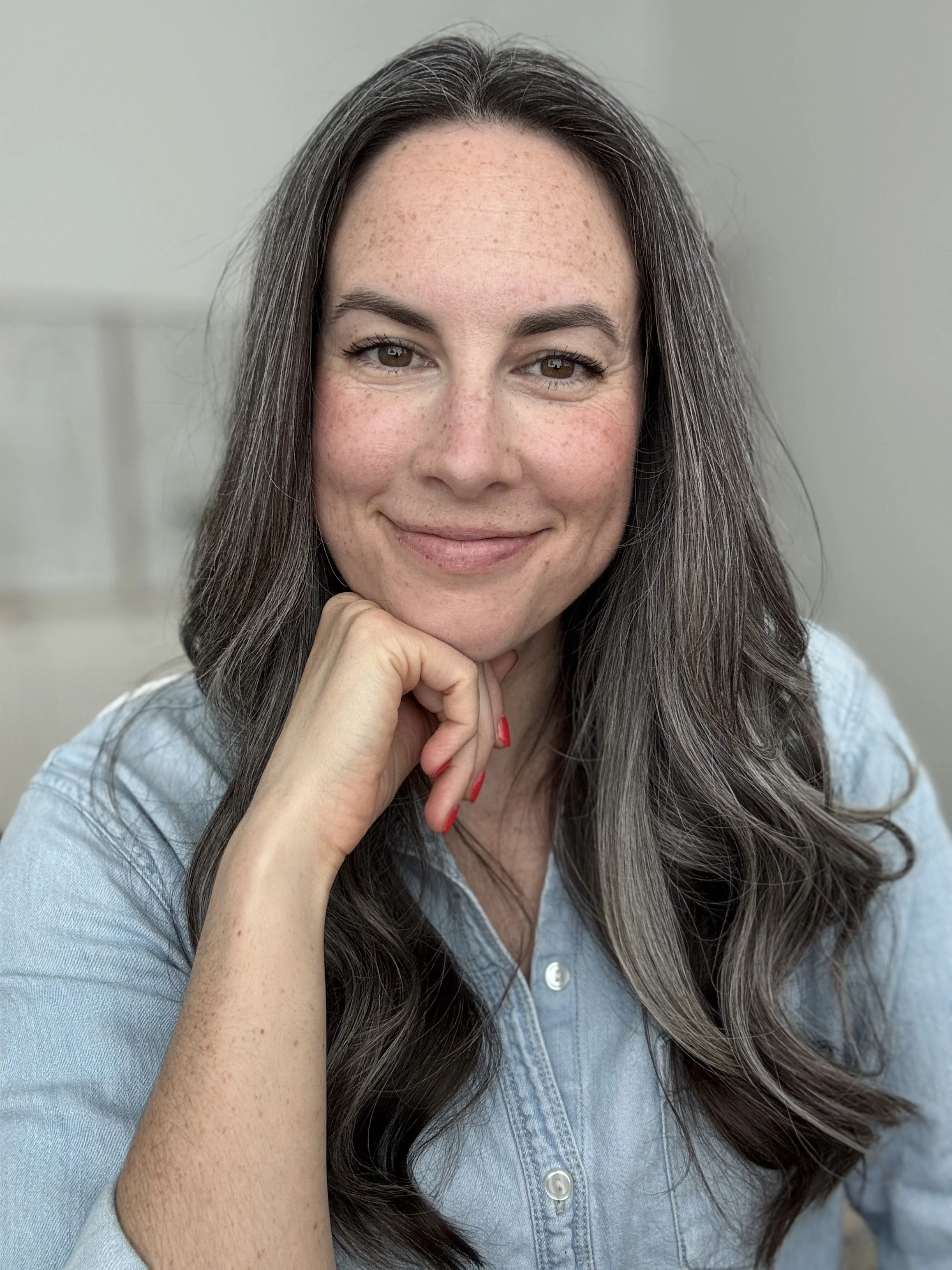
Kate is a licensed therapist based in Raleigh, North Carolina, who works with women navigating eating disorders, body image concerns, anxiety, trauma, and burnout. She's a type-A, recovering perfectionist, dog mom, and avid reader who can absolutely hyperfocus on a new hobby or a good romance novel. SWELL is her love letter to being a new surfer, a wannabe mermaid, and a full-time mental health nerd.
Kate identifies as a highly sensitive person and believes sensitivity is a superpower, even though it didn't always feel that way. Growing up anxious, experiencing big emotions, and later working through childhood trauma and eating disorder recovery deeply shaped how she shows up as a therapist. Her lived experience doesn't define her clients' journeys, but it helps her sit with intensity, complexity, and vulnerability without flinching.
She often works with people who appear to "have it together" on the outside but internally feel overwhelmed by anxiety, self-criticism, body shame, or the weight of past experiences. Kate understands how hard it can be to ask for help, because she's been there too, searching for support and hoping life could feel different.
In therapy, Kate sees the work as a partnership. You bring your lived experience and insight; she brings clinical expertise, practical tools, and a compassionate (sometimes direct) approach to gently challenge the patterns that keep you stuck. Together, you move toward a life that feels more grounded, connected, and, yes, SWELL.
